
Government of the Grand Duchy of Luxembourg

Continuing
vocational
training

Continuing vocational training

Professional training courses designed to help you acquire new skills, update your knowledge and enhance your expertise. These courses enable you to adapt to changes in the labour market, new technologies and social and economic demands, ensuring continuous progression throughout your career.
Give your career a boost with these training courses, which form part of the upskilling process!

Tailor your skills to the needs of the job market.

Who is it for?

Continuing professional development is aimed at employees, CEOs, public sector staff and the self-employed who wish to update their knowledge, improve their skills, and maintain and enhance their employability throughout their working lives.

The aim:

To help you perform better, acquire, maintain or develop your professional knowledge and skills, and ensure your long-term employability.

Certifications:

Depending on the course: a training certificate or attestation issued by the CNFPC / Ministry of National Education and Youth

The CNFPC’s training programme specialises in the following areas:

Digital and data

Master the digital tools to take your organisation to the next level.

Master the digital tools to take your organisation to the next level.

Become a key player in the digital transformation! The Digital and Data hub offers training in digitalisation, artificial intelligence, cybersecurity, e-marketing, advanced office automation and data analysis. Skills that are vital in optimising processes, strengthening data security and exploiting the power of data.


Human Skills

Develop your human potential to manage, collaborate and inspire better.

Develop your human potential to manage, collaborate and inspire better.

The human skills at the heart of meaningful performance. In the Human Skills hub, we train professionals in key human skills – communication, leadership, emotional intelligence, team-working and personal development ‒ in order to improve their performance and effectiveness within the enterprise. These training courses strengthen team-building, stimulate motivation and improve professional flexibility, management and self-confidence – vital qualities in an environment in constant transformation.

Industry and processes

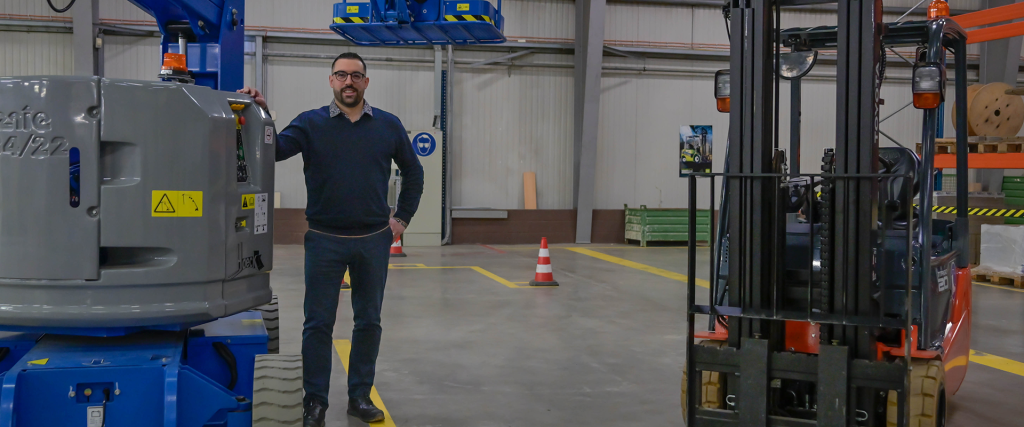
It is practically-based training, closely tied to the realities on the ground and to business needs.

It is practically-based training, closely tied to the realities on the ground and to business needs.

Train in the technical trades at the heart of industry! The Industry and Process hub offers training in welding, operating safety machinery, automation, industrial maintenance and lean management. These programmes help you to boost your practical skills, improve your performance and adapt to the technological requirements of modern industry.
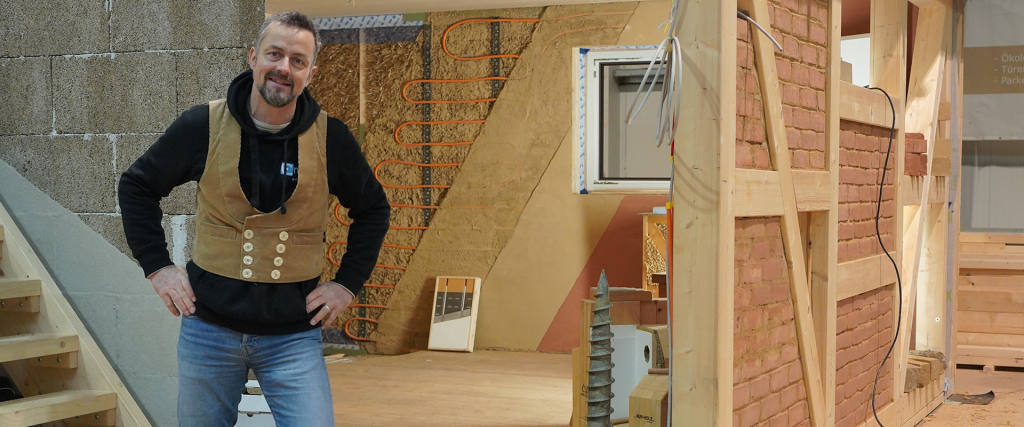

Land use planning and sustainable construction

Building today, thinking of tomorrow.

Building today, thinking of tomorrow.

Design socially-responsible, resilient spaces. The Spatial Planning and Sustainable Construction hub supports professionals in gaining skills vital for sustainable construction, spatial planning and responsible urban project management. Our training courses enable mastering the principles, methods and tools needed to design, plan and direct projects to address current challenges: clean energy, sustainable resource management, quality of life and spatial coherence. Gear up your skills to promote sustainable development.
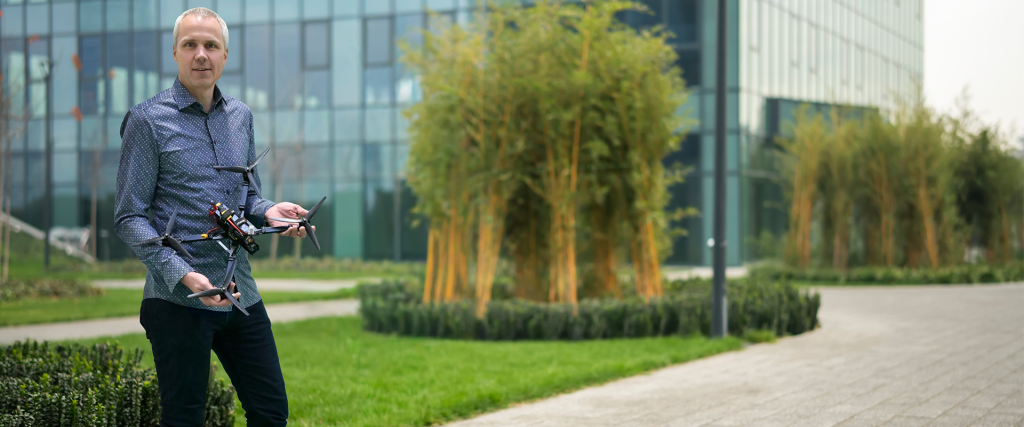
Luxembourg Drone Center

Train for a career with drones in Luxembourg

Train for a career with drones in Luxembourg

The Luxembourg Drone Center, a CNFPC body, offers comprehensive and innovative training for pilots, operators and drone professionals. Our programmes cover practical applications and data management and analysis, and are designed to address the needs of Luxembourg businesses and administrations.
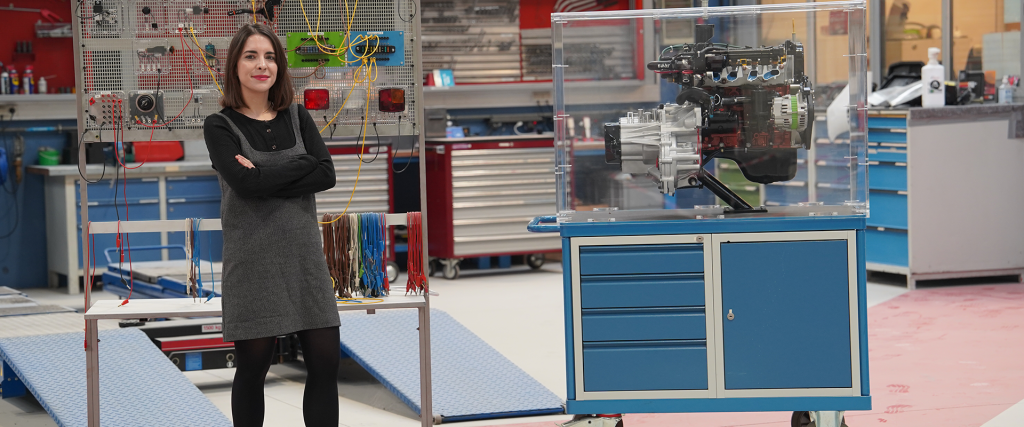

Mobility

Mobility is changing. Train yourself in the technologies that are shaping the future.

Mobility is changing. Train yourself in the technologies that are shaping the future.

The Mobility hub supports the rapid development in this sector by offering training devoted to maintenance, to mechatronics, to new types of engine and to electric and hydrogen mobility technologies. From electronic diagnostics to interventions on electric, hybrid or hydrogen vehicles, our programmes enable professionals to keep in step with technical innovations and the regulatory requirements of a sector that is experiencing constant change. Boost your technical skills, expand your expertise, and offer your customers a service that is reliable, safe and outstanding.
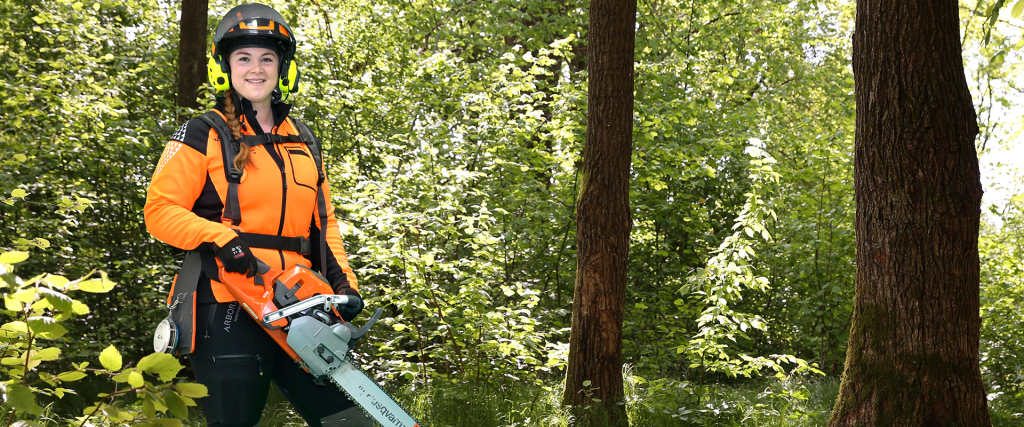

Natural environment and forest

Skills serving a planet that is protected and sustainable.

Skills serving a planet that is protected and sustainable.

Take concrete action for environmental transition. The Environment, Nature and Forestry hub offers training courses in sylviculture, eco-management, the circular economy and sustainable development. These courses combine a scientific approach with real-world practice, to train actors committed to conserving natural resources.


Social and health

Support, care, assist: skills in the service of humanity.

Support, care, assist: skills in the service of humanity.

The Social and Healthcare hub offers training aimed at professionals working in supporting people, care-giving and well-being. Our programmes develop vital skills for intervening in social, educational, medical-social and care environments. The courses cover key themes in the sector: empathetic communication, handling sensitive situations, supporting vulnerable persons, health and safety, first aid, along with the practical tools to enhance the quality of the services offered. Develop the expertise of social care and health professionals, to ensure support that is caring, ethical and high-quality.

FAQ

From what age can I take a training course?

Continuing vocational training courses are open to participants aged 18 and over.

Faut-il être Luxembourgeois pour s’inscrire ?

No. However, participants must meet the target audience criteria for the training course and have a good command of the language of instruction.

Who can take part in CNFPC training courses?

Depending on the conditions specified in each course description, the training courses are open to adults, companies, public institutions, Luxembourg residents and cross-border workers.

Are there any prerequisites?

Some training courses require specific skills, a certain level of language proficiency or specific documents. These prerequisites are indicated in the relevant course description.

How can I find the training course that is right for me?

Each training course has a detailed description covering its objectives, content, target audience, duration, language, dates and prerequisites.
CNFPC can also assist you in choosing the right training cours

Can I filter training courses by field, language or location?

Yes. The “Search for a training course” page allows you to filter courses by field, category, language, location, target audience, schedule and type of training (face-to-face, e-learning or blended learning).

What types of training does CNFPC offer?
  • Continuing vocational training
  • Qualifying or certification training
  • Inter-company training courses (catalogue)
  • In-company and tailor-made training
What is the difference between inter-company and in-company training?

Inter-company training courses bring together participants from different organisations.
In-company training courses are organised for a single organisation and can be adapted to its specific needs.

Can the content of a training course be adapted?

Yes. CNFPC offers tailor-made training courses and modules adapted to the specific needs of companies.

How can I register for a training course?

Registration can be completed through the online course description or directly with the organising CNFPC team.

Is there a registration deadline?

Yes. Deadlines vary depending on the training course and are indicated in the course description. Early registration is recommended.

What should I do if no date is available?

You can contact CNFPC to express your interest and be informed when a future session is scheduled.

Where do face-to-face training courses take place?

At the various CNFPC sites. The exact location is indicated in the course description.

Are online or hybrid training courses available?

Yes. Some training courses are offered as e-learning or blended learning.

Do training courses take place during school holidays?

In general, training courses take place from September to July. However, some may also be scheduled during school holidays.

In which languages are training courses offered?

The language of instruction is indicated in the course description. Participants must have a good command of this language.

Are training courses accessible to people with disabilities?

Specific accommodations may be considered upon request. Participants are advised to contact CNFPC before registering.

What payment methods are accepted?

Payment is made by bank transfer. The relevant details are provided on the invoice.

Can an invoice be issued?

Yes. An invoice can be issued upon request, particularly for companies, municipalities and public institutions.

Is payment by instalments possible?

As a general rule, CNFPC does not offer payment by instalments.

Are any training courses free of charge?

Yes. Some training courses are funded through public programmes or developed in collaboration with ADEM.

Can jobseekers benefit from financial support?

Subject to certain conditions, jobseekers registered with ADEM may be eligible for financial support for vocational training.

What is individual training leave?

Individual training leave is a special type of paid leave that allows employees to attend training, subject to legal conditions.

Is a certificate of attendance issued at the end of the training?

Yes. A certificate of attendance is issued, provided that the required attendance conditions have been met.

Do the training courses lead to a certificate or diploma?

Some training courses lead to a qualification or certification. The relevant arrangements are specified in the course description.

Are exams included in the training?

This depends on the training course. Information about exams is provided in the relevant course description.

How can I cancel or postpone my registration?

Any request must be communicated to CNFPC and confirmed in writing.

Are there any fees in the event of cancellation?

The registration fees remain due if the cancellation takes place less than 72 hours before the start of the training course.
Absences justified by a medical certificate are eligible for a full refund.t à un remboursement intégral.

What happens if I stop attending a training course after it has started?

Once a training course has started, the full fee remains due, unless specific provisions apply.

Who are the trainers?

Training courses are delivered by teaching staff from the Ministry of Education and, depending on the needs, by external experts.

Who should I contact if I have a specific question?

The contact details of the person responsible for the training course are provided in each course description.