
Digital and data
Master the digital tools to take your organisation to the next level.
Master the digital tools to take your organisation to the next level.
Become a key player in the digital transformation!
The Digital and Data hub offers training in digitalisation, artificial intelligence, cybersecurity, e-marketing, advanced office automation and data analysis.
Skills that are vital in optimising processes, strengthening data security and exploiting the power of data.


Human Skills
Develop your human potential to manage, collaborate and inspire better.
Develop your human potential to manage, collaborate and inspire better.
The human skills at the heart of meaningful performance.
In the Human Skills hub, we train professionals in key human skills – communication, leadership, emotional intelligence, team-working and personal development ‒ in order to improve their performance and effectiveness within the enterprise.
These training courses strengthen team-building, stimulate motivation and improve professional flexibility, management and self-confidence – vital qualities in an environment in constant transformation.

Industry and processes
It is practically-based training, closely tied to the realities on the ground and to business needs.
It is practically-based training, closely tied to the realities on the ground and to business needs.
Train in the technical trades at the heart of industry!
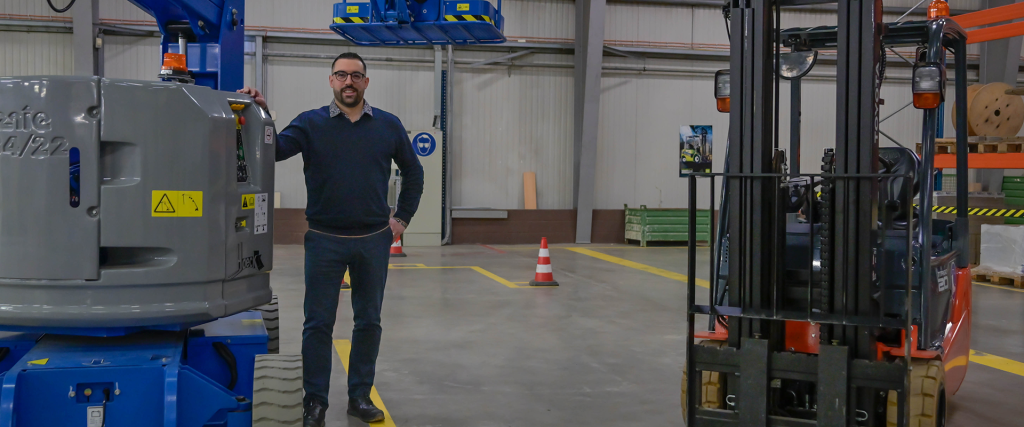
The Industry and Process hub offers training in welding, operating safety machinery, automation, industrial maintenance and lean management.
These programmes help you to boost your practical skills, improve your performance and adapt to the technological requirements of modern industry.

Land use planning and sustainable construction
Building today, thinking of tomorrow.
Building today, thinking of tomorrow.
Design socially-responsible, resilient spaces.
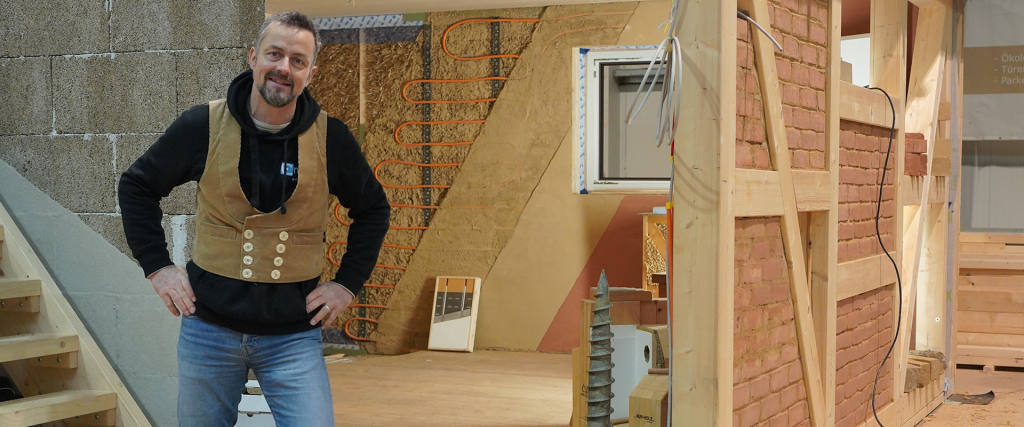
The Spatial Planning and Sustainable Construction hub supports professionals in gaining skills vital for sustainable construction, spatial planning and responsible urban project management.
Our training courses enable mastering the principles, methods and tools needed to design, plan and direct projects to address current challenges: clean energy, sustainable resource management, quality of life and spatial coherence.
Gear up your skills to promote sustainable development.
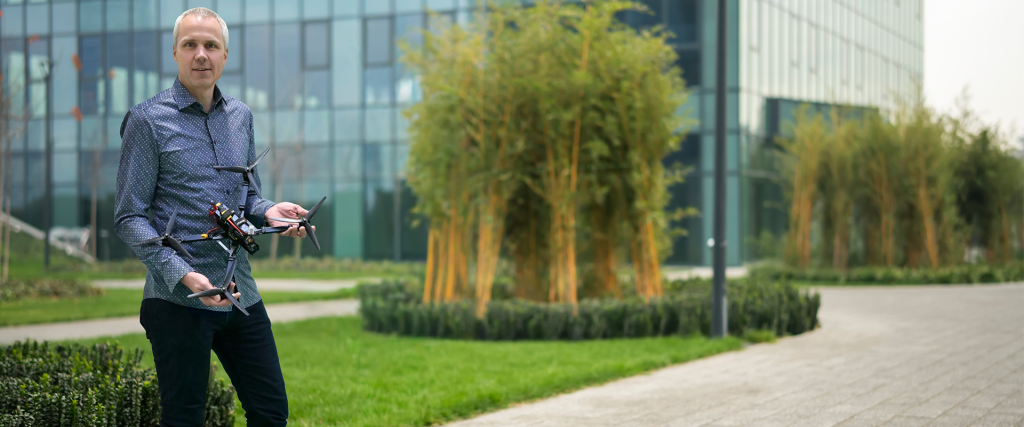

Luxembourg Drone Center
Train for a career with drones in Luxembourg
Train for a career with drones in Luxembourg
The Luxembourg Drone Center, a CNFPC body, offers comprehensive and innovative training for pilots, operators and drone professionals.
Our programmes cover practical applications and data management and analysis, and are designed to address the needs of Luxembourg businesses and administrations.
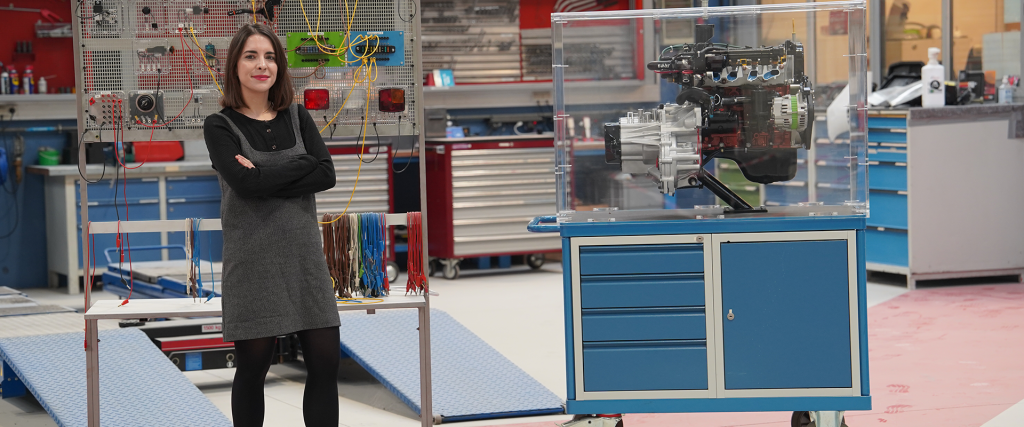

Mobility
Mobility is changing. Train yourself in the technologies that are shaping the future.
Mobility is changing. Train yourself in the technologies that are shaping the future.
The Mobility hub supports the rapid development in this sector by offering training devoted to maintenance, to mechatronics, to new types of engine and to electric and hydrogen mobility technologies.
From electronic diagnostics to interventions on electric, hybrid or hydrogen vehicles, our programmes enable professionals to keep in step with technical innovations and the regulatory requirements of a sector that is experiencing constant change.
Boost your technical skills, expand your expertise, and offer your customers a service that is reliable, safe and outstanding.
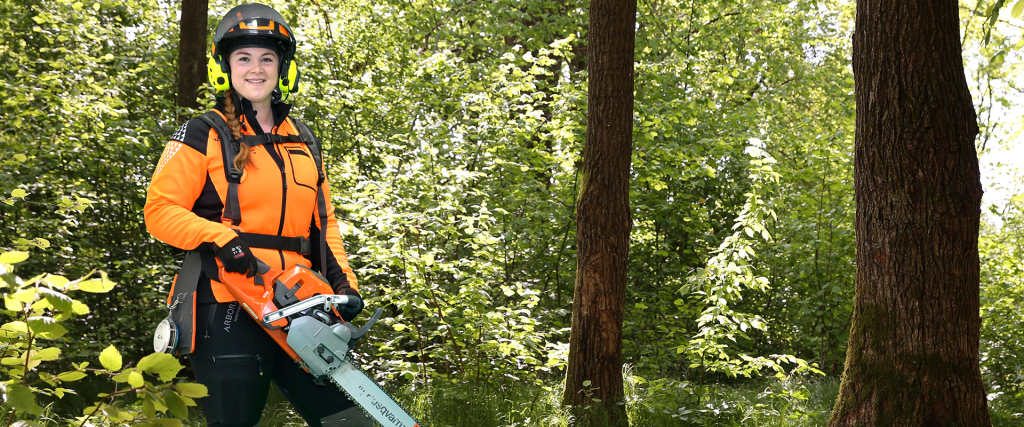

Natural environment and forest
Skills serving a planet that is protected and sustainable.
Skills serving a planet that is protected and sustainable.
Take concrete action for environmental transition.
The Environment, Nature and Forestry hub offers training courses in sylviculture, eco-management, the circular economy and sustainable development.
These courses combine a scientific approach with real-world practice, to train actors committed to conserving natural resources.


Social and health
Fördern Sie Gesundheit, Wohlbefinden und Resilienz am Arbeitsplatz mit dem CNFPC
Fördern Sie Gesundheit, Wohlbefinden und Resilienz am Arbeitsplatz mit dem CNFPC
Our training programmes in the Social and Health sector enable professionals to acquire practical, directly applicable skills to address current challenges relating to health and safety at work, employee wellbeing and corporate social responsibility.
Practical, field-oriented training courses / Experienced trainers with real-world experience / Directly applicable skills / Addressing the human, social and organisational challenges of the workplace
Our training areas: Corporate Social Responsibility (CSR) / Prevention of psychosocial risks / Resilience at work / Quality of life at work and wellbeing at work (QVCT) / Back health, ergonomics and physical activity at work / Nutrition at work and food safety / Physical and mental first aid / Specialisations in first aid, adult and paediatric resuscitation / Brain health and dementia / Hearing health at work